

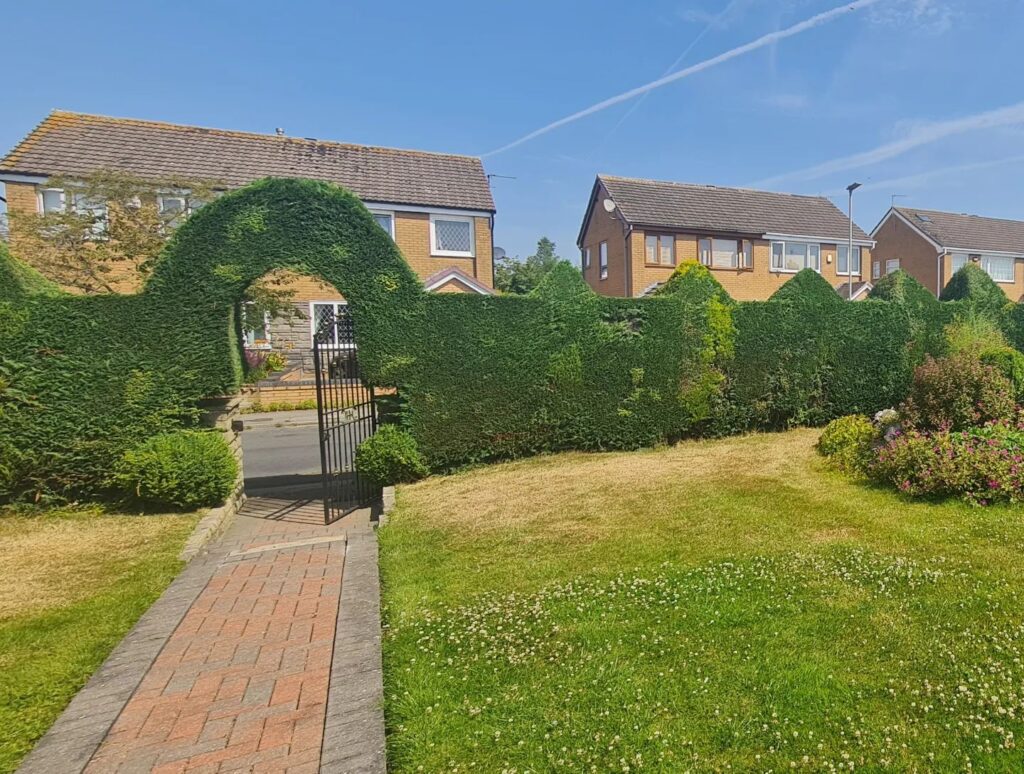
Cutting back on grounds maintenance might feel like an easy way to save money, but the reality is very different. Neglected outdoor spaces quietly rack up costs, risks and headaches that far outweigh any short-term budget relief. So what are the hidden costs of neglecting grounds maintenance? And what should you be aware of?
So what are the hidden costs of neglecting grounds maintenance?
There are a number of hidden costs to bear in mind in relation to neglecting your grounds maintenance. These include:
- Legal risks and liability- Under the Occupiers’ Liability Acts and the Health and Safety at Work Act, property owners and managers have a duty to keep premises safe. That includes paths, car parks and green spaces. When these areas are left unchecked, hazards appear including uneven paving, mossy steps, blocked paths and potholes. All of these are slip, trip and fall risks, and personal injury claims can be expensive. When you factor in legal fees, compensation and higher insurance premiums, one accident costs more than a year’s planned maintenance.
- Tree trouble- Trees add beauty and value to a site but they need care. Without regular inspections and pruning, diseased or unstable trees become a liability. Falling branches can damage vehicles, property and even injure people. There’s also the risk of subsidence from root systems or fines if a Tree Preservation Order is breached through neglect. When you compare that to the relatively low cost of routine maintenance, it’s a no-brainer.
- Water woes- Drainage systems, ponds and gullies often sit out of sight and out of mind. But blocked drains and silted swales can lead to flooding, water damage and costly remediation. Neglected water features can also create odours or even health hazards. Regular clearance and inspection prevent these expensive surprises.
- The invasive species bill- Ignore weed control for long enough, and you might meet Japanese knotweed. This is a plant infamous for damaging structures and derailing property sales. Other invasive species like giant hogweed or Himalayan balsam can also create legal and environmental headaches. A little proactive control each year is far cheaper than years of specialist treatment and potential neighbour disputes.
- Planning and environmental compliance- For new developments, landscaping conditions and biodiversity obligations are now common. Failing to maintain planted areas can lead to enforcement action or expensive replanting at short notice. Poor maintenance also erodes ecological value, which damages your sustainability credentials, which is something that your stakeholders and communities may care about.
- Asset decay- When grounds are neglected, hard surfaces degrade faster. Standing water weakens asphalt, weeds disrupt paving, and line markings fade prematurely. Street furniture and fences rot without treatment, and unnoticed irrigation leaks waste water while undermining foundations. Routine upkeep is an investment that extends asset life and reduces long-term capital costs.
- Reputation and first impressions- Messy, overgrown or littered grounds send the wrong message. For businesses, it’s unprofessional. For schools, hospitals or councils, it signals stretched resources. By contrast, clean, safe, green spaces boost wellbeing, and make people feel welcome.
For high quality grounds maintenance you can count on, get in touch with the experts today, here at Green Scenery. We are leading garden and grounds maintenance experts for both commercial and residential properties.